
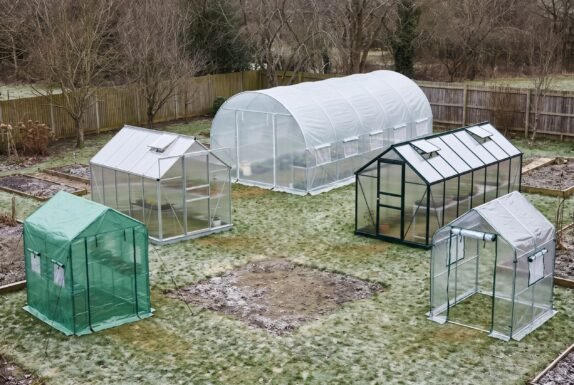
4 Best Walk-In Greenhouses for Winter Growing (2026)
Short answer: for winter growing, the YITAHOME 6 x 16 ft is the pick from this group, because its 4 mm twin-wall polycarbonate panels hold heat better than the single-layer plastic covers on pop-up and tunnel greenhouses. If you need more width, the Polar Aurora 8 x 12 ft is the other rigid-panel option, but confirm its specs first. Plastic-covered models like the Quictent tunnel and EAGLE PEAK pop-up are good for season extension, not for hard winters.
How we chose
We have not grown in these greenhouses ourselves. The picks are based on manufacturer specifications, product listings and owner feedback, compared against what a winter greenhouse has to do: trap daytime heat and lose it slowly at night, stand up to wind and snow when anchored properly, and vent on sunny days so plants do not cook. None of these is frost-proof without a heat source. Check each listing for snow and wind ratings before you buy.
Quick comparison
| Greenhouse | Cover | Size | Best for | Not for |
|---|---|---|---|---|
| YITAHOME 6 x 16 ft | 4 mm twin-wall polycarbonate, aluminum frame | 6 x 16 ft | Winter growing in a narrow yard | Quick setup or moving it each season |
| Polar Aurora 8 x 12 ft | Polycarbonate panels, aluminum frame (listed) | 8 x 12 ft | A wider permanent panel greenhouse | Buyers who need verified snow ratings |
| Quictent tunnel | PE film on metal frame | 25 x 10 x 6.6 ft | Large growing area for spring and fall | Heavy snow, exposed windy sites |
| EAGLE PEAK pop-up | PE film on pop-up steel frame | 8 x 6 ft | Fast setup, seasonal protection | Sub-freezing winters without heat |
Best for winter growing: YITAHOME 6 x 16 ft polycarbonate
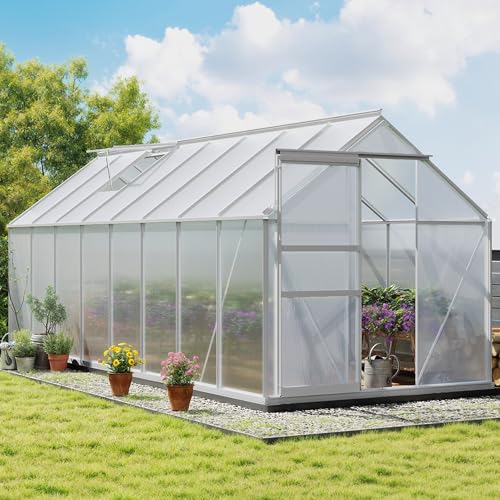

The YITAHOME pairs an aluminum frame with 4 mm twin-wall polycarbonate panels. The air channel inside twin-wall panels slows heat loss compared with a single sheet of film, which matters on cold nights. It has a sliding door that needs no swing clearance and adjustable roof vents. The long, narrow shape fits along a fence or the side of a house.
Drawbacks: assembly takes far longer than a pop-up and needs a level, solid base with proper anchoring. Six feet is narrow: you get a center aisle and benches on one or both sides, so measure your shelving. Thin aluminum frames on budget kits can flex under heavy snow, so clear the roof after storms.
Skip it if: you want something you can put up in an afternoon or move each year.
Wider rigid-panel option: Polar Aurora 8 x 12 ft

The Polar Aurora offers more floor space in a squarer footprint: polycarbonate panels on an aluminum frame, roof vents, side gutters and diagonal braces, according to the listing. Eight feet of width allows benches on both sides with a comfortable aisle.
Drawbacks: verifiable details for this listing are limited. Confirm panel thickness (single or twin wall makes a big difference in winter), frame gauge, snow and wind ratings and anchoring hardware before you order. Assembly is a multi-day job for many owners.
Skip it if: the listing does not confirm twin-wall panels and you need a true winter structure.
Biggest growing area: Quictent 25 x 10 ft tunnel
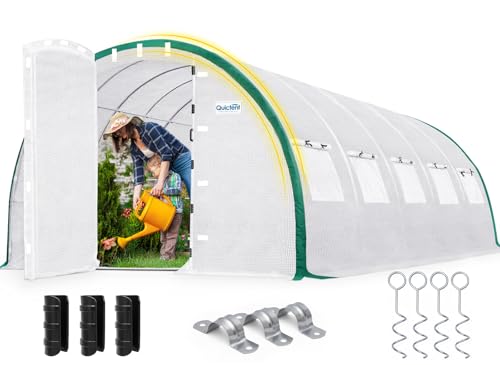
For square footage, nothing here comes close: 25 x 10 ft with 6.6 ft of headroom, a PE cover over a metal frame, two swing doors and several vents, per the listing. That is room for several beds or rows, useful for starting seedlings in spring or stretching the fall harvest of cold-hardy greens.
Drawbacks: a single-layer plastic cover holds little heat overnight, so it is a season extender, not a winter greenhouse in cold zones. A long tunnel catches a lot of wind and must be anchored well. Snow must be cleared promptly, and PE covers degrade in sun and usually need replacing every few years.
Skip it if: you get heavy snow or have an exposed, windy site.
Quick setup: EAGLE PEAK 8 x 6 ft pop-up
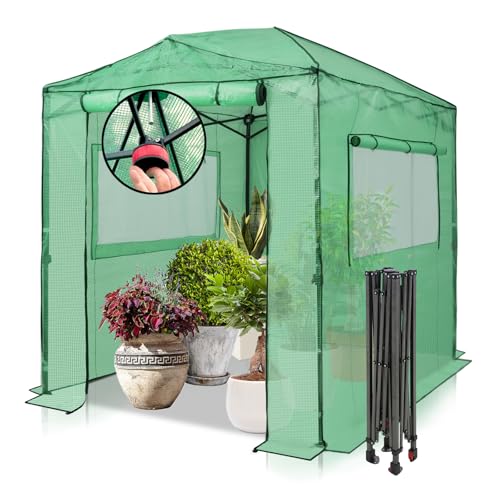
The EAGLE PEAK uses a preassembled pop-up steel frame with a PE cover, roll-up zippered doors and mesh windows. It goes up quickly and gives walk-in space for shelving, which makes it handy for hardening off seedlings or covering tender plants through early frosts.
Drawbacks: like the tunnel, its flexible cover gives little insulation, and pop-up frames are not built for snow loads. It must be staked and weighted firmly, with extra anchors on windy sites.
Skip it if: you want to grow through a freezing winter.
How to choose a greenhouse for winter
- Cover material: twin-wall polycarbonate insulates noticeably better than single-layer PE film or single-wall panels. Thicker twin-wall panels (6 to 8 mm and up) insulate better still.
- Snow and wind ratings: look for a stated snow load and wind rating, and follow the anchoring instructions. If none is listed, assume it is a three-season structure.
- Heat: an unheated greenhouse stays a little warmer than outside at night and keeps off wind and frost, but it can still freeze. In cold zones, plan for a heater rated for your greenhouse volume.
- Ventilation: even in winter, a sunny day can push the inside temperature far above what plants like. Roof vents or an automatic vent opener prevent this.
- Site: face the long side south (in the Northern Hemisphere) for the most winter sun, away from trees that drop snow or branches.
Winter growing tips and mistakes to avoid
- Grow cold-hardy crops such as spinach, kale, lettuce, mache, carrots and claytonia rather than summer crops.
- Add thermal mass: water barrels or stone absorb daytime heat and release it at night.
- Use row cover or cloches inside the greenhouse on the coldest nights for a second layer.
- Brush snow off the roof after every storm, from the inside or with a soft broom, so the frame does not overload.
- Do not seal it up tight. Humidity and condensation drive mold; vent on mild days.
Frequently asked questions
Can I grow vegetables in an unheated greenhouse in winter?
Yes, if you pick cold-hardy crops and accept slow growth in the darkest weeks. Spinach, kale, lettuce, mache and carrots can survive below-freezing nights under cover, especially with an inner row cover. Warm-season crops such as tomatoes and peppers need steady heat and are not practical in an unheated winter greenhouse in cold climates.
Is polycarbonate better than plastic film for winter?
For winter, usually yes. Twin-wall polycarbonate traps a layer of air that slows heat loss, and rigid panels shed snow and resist wind better than flexible film. Plastic film covers are cheaper, let in plenty of light and work well for spring and fall season extension, but they lose heat quickly at night and degrade faster in sunlight.
How do I keep a greenhouse warm at night?
Start with a well-sealed structure and thermal mass, such as dark water barrels that soak up sun during the day. Add an inner layer of row cover over plants on cold nights. In colder zones, a thermostatically controlled heater sized for the greenhouse is the reliable option. Always follow the heater maker’s ventilation and safety rules.
Do walk-in greenhouses need to be anchored?
Yes. Lightweight frames and plastic covers act like a sail, and strong winds can lift or flatten an unanchored greenhouse. Follow the maker’s anchoring kit and instructions, use ground stakes or a solid base, and add extra anchors on exposed sites. Panel greenhouses usually need a level foundation or timber base as well.
Verdict by buyer type
- Growing through cold winters, narrow yard: YITAHOME 6 x 16 ft.
- Wider permanent panel greenhouse: Polar Aurora 8 x 12 ft, after confirming panel type and ratings.
- Maximum space for spring and fall: Quictent 25 x 10 ft tunnel.
- Quick, seasonal frost protection: EAGLE PEAK 8 x 6 ft pop-up.
Related guides
- Best greenhouse kits for backyard farming
- Best greenhouse heaters
- Best seed starting trays with grow lights
- Best hydroponic grow systems for vegetables
Last update on 2026-11-17/Affiliate links / Images from Amazon Product Advertising API





One Comment