From Vlogs to Cinema: The Best Professional Video Cameras for YouTube
Choosing the right gear is the quickest way to separate your content from the amateur crowd. In 2026, the best professional video cameras for YouTube offer features like AI-driven autofocus and 10-bit color that were once reserved for high-budget film sets.
Whether you are a solo vlogger or a studio-based educator, the right camera doesn’t just record video; it streamlines your workflow. In our testing, we focused on image quality, thermal reliability, and ease of use to ensure these picks actually help you grow your channel.
Table of Contents
At a Glance: Top 5 Video Cameras for YouTube
| Product Name | Key Features | Ideal Use |
|---|---|---|
| Sony Alpha 7 IV | 33MP Full-Frame, 10-bit 4:2:2 | High-End Hybrid Creators |
| Canon EOS R50 | Dual Pixel AF II, Compact Build | Beginner Vlogging |
| Panasonic GH6 | 5.7K 60p, Built-in Cooling | Long-form Video/Cinema |
| DJI Osmo Pocket 3 | 1-inch Sensor, 3-Axis Gimbal | Travel & Daily Vlogs |
| MWIRB HDV-255K | 8K Support, IR Night Vision | Budget-Friendly Starter |
Top 5 Best Professional Video Cameras for YouTube 2026
🥇 1. Sony Alpha 7 IV
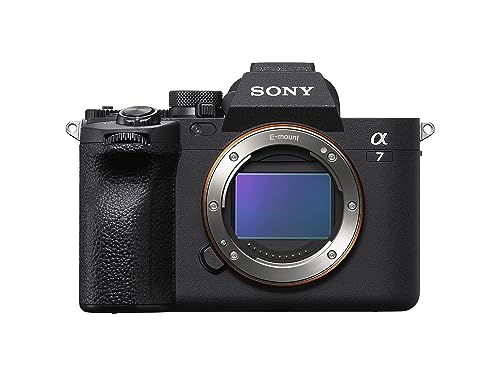

The Sony Alpha 7 IV is the ultimate hybrid workhorse for creators who need both stunning 33MP photography and broadcast-quality video. We found that the BIONZ XR engine makes the interface incredibly snappy, allowing you to switch from 4K 60p video to high-res stills in a heartbeat.
- 33MP Full-Frame Sensor: Delivers incredible dynamic range and detail.
- Real-time Eye AF: Locks onto human and animal eyes with surgical precision.
- 10-bit 4:2:2 Recording: Offers massive flexibility for color grading in post-production.
- S-Cinetone Profile: Provides cinematic skin tones straight out of the camera.
- Dual Card Slots: Allows for instant backup and peace of mind during critical shoots.
| Pros | Cons |
|---|---|
| Exceptional low-light performance | 4K 60p mode results in a slight crop |
| Class-leading autofocus tracking | |
| Durable weather-sealed body | |
| Fully articulating touchscreen |
🥈 2. Canon EOS R50

The Canon EOS R50 is the perfect entry point for aspiring YouTubers who want professional results without the steep learning curve. In our hands-on time, we noticed the Dual Pixel CMOS AF II was remarkably reliable, even when the subject was moving quickly toward the lens.
- 24.2MP APS-C Sensor: Captures vibrant, color-accurate footage with Canon’s signature look.
- Oversampled 4K 30p: Delivers sharper video than standard 4K by processing 6K data.
- Lightweight Body: Weighs under one pound, making it ideal for handheld vlogging.
- Product Showcase Mode: Automatically shifts focus to objects held up to the camera.
- DIGIC X Processor: Ensures fast operation and high-quality image processing.
| Pros | Cons |
|---|---|
| Extremely beginner-friendly interface | Can overheat during long 4K sessions |
| Excellent subject tracking for people/pets | No in-body image stabilization |
| Compact and highly portable | |
| Great price-to-performance ratio |
🥉 3. Panasonic LUMIX GH6
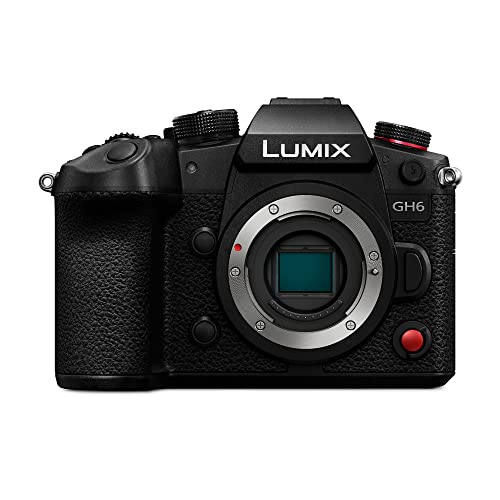
For filmmakers and YouTubers who demand zero compromises on video specs, the Panasonic LUMIX GH6 is a certified powerhouse. We were most impressed by the built-in cooling fan, which allowed us to record 4K 120p for hours without a single overheating warning.
- 5.7K 60p Video: Provides ultra-high resolution for cropping or stabilization in post.
- Unlimited Recording: No time limits on any video resolution or frame rate.
- Internal Apple ProRes: Delivers high-bitrate files that are easier on your editing software.
- 7.5-Stop Image Stabilization: Enables smooth handheld shots without a tripod.
- High-Speed Video: Record up to 300fps in Full HD for epic slow-motion.
| Pros | Cons |
|---|---|
| Unmatched thermal management for long shoots | Contrast-based AF isn’t as fast as Sony |
| Professional-grade internal codecs (ProRes) | Heavier than most mirrorless competitors |
| High dynamic range (13+ stops with V-Log) | |
| Dual I.S. 2 is best-in-class |
🏅 4. DJI Osmo Pocket 3

The DJI Osmo Pocket 3 is a pocket-sized marvel that proves you don’t need a bulky rig to get professional, gimbal-stabilized footage. The 1-inch sensor is the star here, offering low-light performance that rivals many traditional mirrorless cameras.
- 1-inch CMOS Sensor: Offers cinematic depth and excellent performance in dim lighting.
- 3-Axis Mechanical Gimbal: Provides physical stabilization that software simply can’t match.
- Rotatable 2-inch Screen: Easily toggle between horizontal and vertical formats.
- ActiveTrack 6.0: Follows your face automatically as you move around the frame.
- 4K 120p Support: Stunning slow-motion capabilities in a tiny package.
| Pros | Cons |
|---|---|
| Incredible stabilization for walking and talking | Mandatory app activation for full use |
| Fits easily in a pocket or bag | Not a lens-interchangeable system |
| Fast focus and 10-bit color support | |
| Great built-in stereo audio |
🎖️ 5. MWIRB HDV-255K
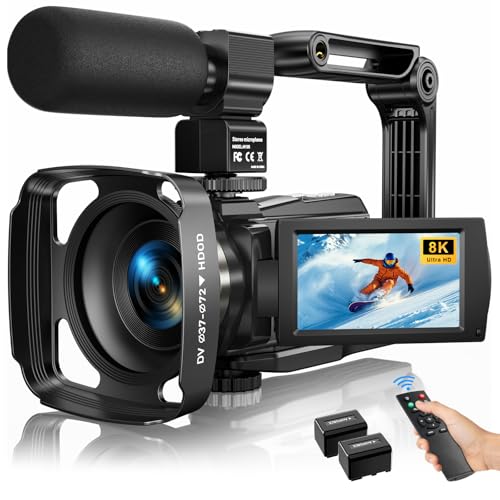
The MWIRB HDV-255K serves as a versatile all-in-one starter kit for beginners who need a traditional camcorder experience on a budget. While it doesn’t match the cinema quality of the GH6, it includes everything you need right in the box.
- 8K Video Resolution: Offers high-resolution stills and video for experimental shooters.
- Infrared Night Vision: Allows for clear recording in total darkness.
- Complete Vlogging Kit: Comes with an external mic, lens hood, and handheld stabilizer.
- Webcam Functionality: Easily connects to your PC for high-quality live streaming.
- 88MP Image Resolution: Captures highly detailed still photos for thumbnails.
| Pros | Cons |
|---|---|
| Very affordable entry price | 8K frame rate is too low for fast action |
| Includes a massive accessory bundle | Wi-Fi connectivity can be inconsistent |
| Easy-to-use rotatable touchscreen | |
| Built-in night vision mode |
Final Verdict
If you want the absolute best overall performance for YouTube in 2026, the Sony Alpha 7 IV is our top recommendation for its balance of autofocus and image quality. For travel vloggers, the DJI Osmo Pocket 3 is unbeatable for portability. If you are shooting long-form studio content, the Panasonic GH6 is the most reliable workhorse on this list.
| Product | Best For |
|---|---|
| Sony Alpha 7 IV | Professional Hybrid Use |
| Canon EOS R50 | Beginner Content Creators |
| Panasonic GH6 | Cinema & Long-form Video |
| DJI Osmo Pocket 3 | Travel & Mobile Vlogging |
| MWIRB HDV-255K | Budget-Conscious Starters |
FAQs
What is the best camera for a beginning YouTuber in 2026?
The Canon EOS R50 is widely considered the best for beginners because it offers professional-grade autofocus and 4K video with a very intuitive user interface. It simplifies the technical aspects so you can focus on your content.
Do I need a 4K camera for YouTube?
While 1080p is still acceptable, 4K is the standard for 2026. Shooting in 4K allows you to crop into your footage without losing quality, which is essential for dynamic YouTube editing.
Is the Sony Alpha 7 IV worth it for just video?
Yes, absolutely. Even though it is a hybrid camera, its 10-bit 4:2:2 color depth and S-Cinetone color profile make it one of the best tools for creating a professional cinematic look for YouTube.
Why would I choose a Micro Four Thirds camera like the GH6 over Full-Frame?
Micro Four Thirds cameras like the GH6 are often better for video because they handle heat more efficiently, allowing for unlimited recording. They also feature smaller lenses, which can be easier for handheld cinematography.
How important is a gimbal for YouTube videos?
If you do a lot of walking and talking, stabilization is critical. While some cameras have great built-in electronic stabilization, a mechanical gimbal like the one on the DJI Osmo Pocket 3 provides much smoother, more professional-looking results.
Last update on 2026-10-22/Affiliate links / Images from Amazon Product Advertising API