
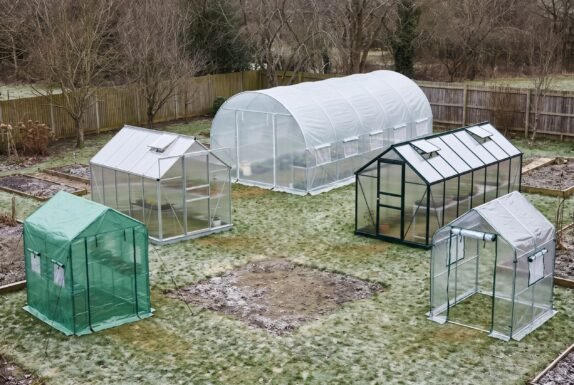
Harvest in Winter : The 5 Best Walk in Greenhouse for Winter Growing (2026)
Choosing the best walk in greenhouse for winter growing, means balancing growing space, ease of assembly, insulation, and resistance to local wind and snow. A greenhouse can reduce exposure to cold air and frost, but an unheated cover does not guarantee frost-free temperatures. Before buying, check the manufacturer’s current load limits, anchoring instructions, cover or panel details, and warranty. This comparison uses the supplied product descriptions and available manufacturer or product information; specifications that could not be reliably confirmed are not presented as established facts.
Table of Contents
At a Glance
| Product | Key features described | Best suited to |
|---|---|---|
| EAGLE PEAK 8×6 Easy Setup Pop Up Greenhouse | Pop-up steel frame, PE cover, roll-up zippered doors and mesh windows | Gardeners prioritizing quick setup and portability |
| Polar Aurora 8×12 FT Outdoor Walk-in Polycarbonate | Polycarbonate panels, aluminum frame, roof vents and side gutters, according to the supplied description | Gardeners wanting a more permanent panel greenhouse |
| Quictent 25x10x6.6FT Tunnel Greenhouse | Large PE-covered tunnel, metal frame, dual doors and multiple vents, according to the supplied description | Larger gardens and growers needing extensive floor space |
| YITAHOME 6x16FT Polycarbonate Greenhouse | Aluminum frame, 4 mm twin-wall polycarbonate panels, sliding door and adjustable vents | Gardeners seeking a long, narrow panel greenhouse |
| CROWN SHADES Walk-in Portable Greenhouse | Portable pop-up format, steel frame, PE cover, roll-up door and mesh windows, according to the supplied description | Hobby growers who value portability and quick setup |
Top 5 Best Walk in Greenhouse for Winter Growing
1. EAGLE PEAK 8×6 Easy Setup Pop Up Greenhouse
Overview
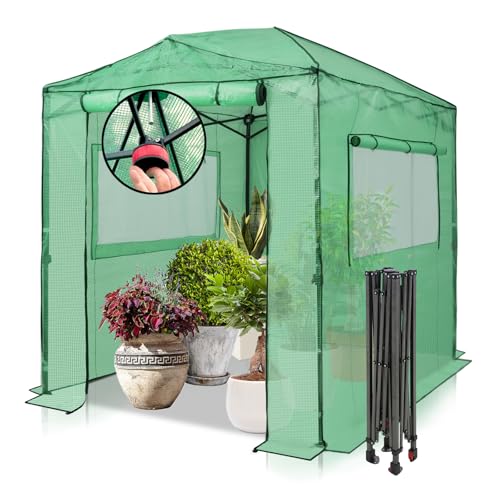
The EAGLE PEAK 8×6 is the most convenience-focused option in this list. Its pop-up design and preassembled frame are intended to make setup easier than building a panel greenhouse from individual parts. The 8-by-6-foot footprint offers walk-in access and room for plant shelving, while the PE cover and ventilation openings make it suitable for seasonal plant protection. It is not a substitute for a purpose-built, insulated structure in severe winter weather, and the frame should be secured according to the manufacturer’s instructions.
5 key features
- Pop-up frame: Designed to simplify setup and reduce the number of assembly steps.
- 8-by-6-foot footprint: Provides space to enter and tend plants rather than reaching into a small mini-greenhouse.
- PE cover: Forms a sheltered growing space while allowing light through; it does not provide the insulation of a heated building.
- Roll-up zippered access: Helps gardeners enter the greenhouse and open it up when ventilation is needed.
- Mesh windows: Allow air exchange, which can help reduce excess heat and humidity on milder days.
Pros
- Quick setup compared with a greenhouse assembled from many panels.
- Walk-in format leaves room for shelves and routine plant care.
- Lightweight, portable design is useful for seasonal use.
- Roll-up access and mesh windows support ventilation.
Cons
- A flexible PE cover offers less insulation than a solid, insulated structure.
- Must be anchored and managed carefully in strong wind; do not assume it can withstand heavy snow.
2. Polar Aurora 8×12 FT Outdoor Walk-in Polycarbonate

Overview
The Polar Aurora is presented as a larger walk-in greenhouse with polycarbonate panels and an aluminum frame. Compared with a pop-up cover, rigid panels can provide a more permanent enclosure, while roof vents offer a way to manage warm, humid air. The supplied description also mentions side gutters and diagonal supports. Because independently verifiable details for this exact listing are limited, confirm panel thickness, frame dimensions, wind and snow ratings, anchoring requirements, and the included vent hardware on the current product page before purchasing.
5 key features
- Polycarbonate panels: Rigid panels create a more structured enclosure than a flexible fabric-style cover.
- Aluminum frame: Provides the greenhouse’s supporting structure; proper anchoring remains essential.
- Roof ventilation: Adjustable vents, if included as listed, help release heat and humidity.
- Side gutters: The supplied description lists gutters to help direct rainwater away from the roof.
- Walk-in 8-by-12-foot layout: Offers more working room than the 8-by-6-foot EAGLE PEAK.
Pros
- Larger footprint than the compact pop-up models in this comparison.
- Rigid panel construction is suited to a more permanent installation.
- Roof vents can help with temperature and humidity management.
- Aluminum framing avoids the rusting associated with untreated steel, though connectors and hardware still need care.
Cons
- Panel-kit assembly generally requires more time and careful alignment than a pop-up frame.
- Winter suitability depends on verified snow and wind ratings, correct anchoring, and local conditions.
3. Quictent 25x10x6.6FT Tunnel Greenhouse
Overview
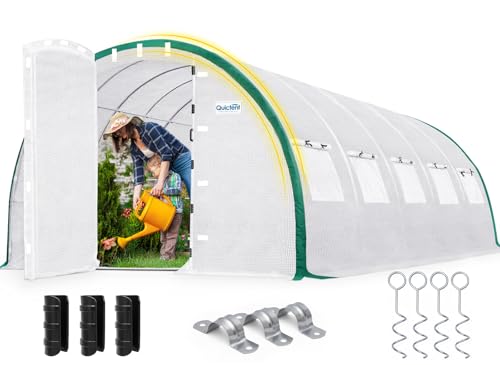
The Quictent tunnel is the largest option in this group by stated floor dimensions. Its long, wide layout may suit gardeners who want several growing rows, seedling areas, or substantial seasonal coverage. The supplied listing describes a PE cover, metal frame, dual swing doors, reinforced top structure, and multiple vents. A large tunnel greenhouse can provide useful protected space, but its flexible cover should not be confused with an insulated winter building. Check anchoring, local wind exposure, and the manufacturer’s snow-clearing guidance before leaving it outdoors in winter.
5 key features
- Large 25-by-10-foot footprint: Provides substantial space for beds, containers, and working aisles.
- PE cover: Creates a sheltered growing environment while admitting natural light.
- Metal frame: Supports the tunnel structure and cover.
- Dual doors: The supplied description lists two swing doors for access.
- Vent openings: The product listing describes multiple vents to help manage airflow and humidity.
Pros
- The largest stated growing area among these five options.
- Useful for gardeners managing multiple rows or many containers.
- Two doors can make entry and movement through the structure easier.
- A flexible cover can be replaced more readily than an entire rigid-panel enclosure, subject to parts availability.
Cons
- Requires considerably more yard space than the smaller greenhouses.
- The large covered area can be exposed to strong winds; secure anchoring and regular weather checks are important.
4. YITAHOME 6x16FT Polycarbonate Greenhouse

Overview
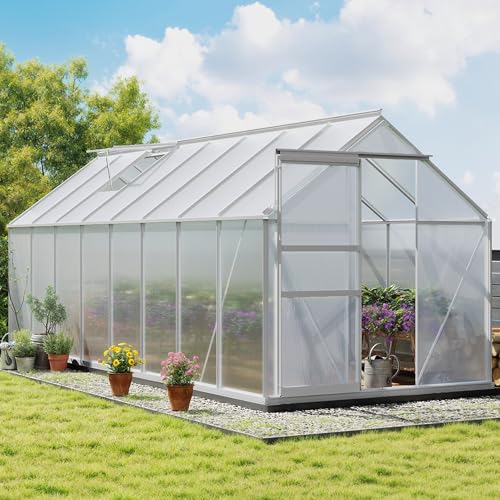
The YITAHOME 6-by-16-foot greenhouse combines a narrow, elongated footprint with an aluminum frame and 4 mm twin-wall polycarbonate panels. The manufacturer’s product information describes a sliding door and adjustable ventilation windows. Twin-wall panels can provide better thermal resistance than a single flexible film, although they do not make the greenhouse frost-proof. Its long layout may be useful in a narrow garden, provided there is enough room to assemble and anchor the frame securely.
5 key features
- 6-by-16-foot layout: Offers a long growing area without the width of a large tunnel greenhouse.
- 4 mm twin-wall polycarbonate panels: The air spaces in twin-wall panels can slow heat transfer compared with a single thin covering.
- Aluminum frame: Supports the panel enclosure and is suitable for long-term outdoor use when properly installed.
- Sliding door: Avoids needing the same swing clearance as a hinged door.
- Adjustable ventilation windows: Help regulate heat and humidity as outdoor conditions change.
Pros
- Twin-wall panels offer a more substantial enclosure than a simple PE-film tunnel.
- Long footprint can fit some narrow garden spaces.
- Sliding access door can be convenient where space is limited.
- Adjustable vents give growers control over airflow.
Cons
- Assembly and secure base installation require more effort than a pop-up greenhouse.
- The narrow width may limit shelving arrangements and movement; check the internal dimensions before buying.
5. CROWN SHADES Walk-in Portable Greenhouse
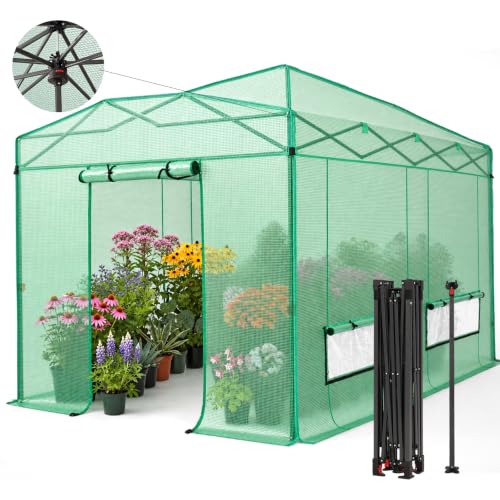
Overview
The CROWN SHADES model is described as a portable walk-in greenhouse with a quick-opening frame, PE cover, roll-up door, and mesh windows. Its main appeal is convenience: it is intended for growers who want a covered space without committing to a rigid panel kit. The supplied description mentions a center-lock setup system and adjustable height positions, but buyers should confirm these features for the exact size and model sold. As with other portable film greenhouses, it should not be assumed to withstand severe winter storms or heavy snow.
5 key features
- Portable format: Designed for seasonal use and easier relocation than a permanent panel structure.
- Quick-opening frame: The supplied description identifies a center-lock mechanism intended to simplify setup.
- PE cover: Helps shield plants from direct exposure to wind and precipitation.
- Roll-up door: Provides access and can be opened to improve airflow.
- Mesh windows: Support ventilation during warmer or more humid conditions.
Pros
- Portable format suits seasonal growers and temporary garden layouts.
- Quick setup is convenient when compared with a panel-by-panel kit.
- Walk-in access makes routine watering and pruning easier.
- Ventilation openings help manage humidity and excess daytime heat.
Cons
- Flexible cover construction offers limited insulation in very cold weather.
- Wind and snow performance should be confirmed for the exact model and local conditions.
Final Verdict
There is no single best greenhouse for every winter garden. The EAGLE PEAK is the most logical choice when fast setup and portability matter most. The YITAHOME is worth considering for gardeners who prefer twin-wall polycarbonate panels in a long, narrow footprint. The Polar Aurora may suit buyers wanting a larger rigid-panel structure, provided its current specifications and weather ratings check out. The Quictent offers the most stated floor area for larger growing projects, while the CROWN SHADES is aimed at growers who value a portable, quick-setup shelter.
For genuinely cold conditions, prioritize a verified snow-load and wind rating, secure anchoring, suitable ventilation, and a plan for protecting plants during freezing nights. If you intend to grow warm-season crops through winter, you may also need supplemental heat and additional insulation. Always follow the manufacturer’s instructions for snow removal and severe weather.
Best For Table
| Buyer scenario | Best fit from this list | Why |
|---|---|---|
| Fast setup and seasonal portability | EAGLE PEAK 8×6 | Pop-up design and compact footprint |
| Long, narrow growing space with twin-wall panels | YITAHOME 6×16 | Elongated layout and 4 mm twin-wall polycarbonate |
| Larger rigid-panel greenhouse | Polar Aurora 8×12 | Larger stated footprint and panel construction, subject to specification checks |
| Maximum stated floor area | Quictent 25×10 | 25-by-10-foot tunnel layout |
| Portable shelter for hobby growing | CROWN SHADES | Portable format and quick-setup features described in the listing |
FAQs
Can these greenhouses keep plants warm through winter?
They can shelter plants from some wind and precipitation, but none should be assumed to maintain safe temperatures during freezing weather without evidence of its insulation performance and, where needed, supplemental heat. Monitor temperatures inside the greenhouse.
Which covering is better for winter: PE film or polycarbonate?
Polycarbonate—especially twin-wall panels—typically provides a more substantial enclosure and can reduce heat loss compared with a single flexible film. Actual performance depends on panel construction, air leakage, installation, and whether the greenhouse is heated.
Is a walk-in greenhouse safe in heavy snow?
Not automatically. Check the exact model’s rated snow load and follow its instructions. Remove snow as directed, and do not rely on a product description alone to establish storm resistance.
Do I need to anchor a portable greenhouse?
Yes. Follow the manufacturer’s anchoring instructions and consider the exposure of your site. Stakes alone may not be sufficient for every soil type or wind condition.
How should I prevent overheating and excess humidity?
Use the doors and vents to regulate airflow, especially on sunny days. Avoid keeping the greenhouse sealed when temperatures rise, and monitor condensation and plant health.
What should I check before ordering?
Confirm the exact dimensions, cover or panel thickness, included vents and doors, anchoring hardware, warranty, replacement-cover availability, and verified wind and snow ratings. Also check whether the greenhouse fits your growing beds and the space available for assembly.
Last update on 2026-10-28/Affiliate links / Images from Amazon Product Advertising API